
Fast delivery
Tracked delivery with clean status updates.

Add product details and materials.
Shipping
- Free shipping on orders over $100.
- Orders are processed within 1–3 business days.
- Delivery time may vary depending on location.
Returns
- Returns accepted within 30 days of delivery.
- Items must be unused and in original packaging.
- Customers are responsible for return shipping fees unless the item is defective.
Availability
Pickup availability
Pickup available at Quebec
Usually ready in 24 hours
In Online and Store
Get More 10% Extras
↓
The fabric feels soft but still structured, and the fit looks polished without feeling stiff. These are the kind of pieces I can wear all day and still feel put together
Everything I ordered was easy to style right away. The cuts are clean, the colors are versatile, and the quality feels much better than typical everyday basics.
I love how the pieces sit on the body. They feel modern, comfortable, and considered, with just enough detail to make a simple outfit look intentional.
The collection makes getting dressed feel easier. The materials feel good, the silhouettes are flattering, and everything pairs naturally with what I already own.
Recently Viewed
Your History
Recently viewed products will appear here.
theme-store-ops-admin
Validation of User
Interface Elements


Assessment of Component Visibility and Functionality
Validation of User
Interface Elements
The objective of this testing is to comprehensively validate the user interface elements, specifically examining the visibility and functionality of components such as headings, subheadings, and contextual information. This includes assessing whether all elements are displayed correctly without truncation or overlap, ensuring that interactive components function as intended across different browser sizes and resolutions.
Additionally, the testing will involve checking for consistent styling, alignment, and responsiveness of these elements in various scenarios. Any discrepancies or issues identified during the testing process will be documented thoroughly, including screenshots and detailed descriptions, to facilitate effective remediation and enhance overall user experience. Furthermore, feedback will be gathered from user interactions to ensure that the interface meets usability standards and aligns with design specifications.


The objective of this testing is to comprehensively validate the user interface elements, specifically examining the visibility and functionality of components such as headings, subheadings, and contextual information. This includes assessing whether all elements are displayed correctly without truncation or overlap, ensuring that interactive components function as intended across different browser sizes and resolutions. Additionally, the testing will involve checking for consistent styling, alignment, and responsiveness of these elements in various scenarios. Any discrepancies or issues identified during the testing process will be documented thoroughly, including screenshots and detailed descriptions, to facilitate effective remediation and enhance overall user experience. Furthermore, feedback will be gathered from user interactions to ensure that the interface meets usability standards and aligns with design specifications.
The objective of this testing is to comprehensively validate the user interface elements, specifically examining the visibility and functionality of components such as headings, subheadings, and contextual information. This includes assessing whether all elements are displayed correctly without truncation or overlap, ensuring that interactive components function as intended across different browser sizes and resolutions. Additionally, the testing will involve checking for consistent styling, alignment, and responsiveness of these elements in various scenarios. Any discrepancies or issues identified during the testing process will be documented thoroughly, including screenshots and detailed descriptions, to facilitate effective remediation and enhance overall user experience. Furthermore, feedback will be gathered from user interactions to ensure that the interface meets usability standards and aligns with design specifications.
The objective of this testing is to comprehensively validate the user interface elements, specifically examining the visibility and functionality of components such as headings, subheadings, and contextual information. This includes assessing whether all elements are displayed correctly without truncation or overlap, ensuring that interactive components function as intended across different browser sizes and resolutions. Additionally, the testing will involve checking for consistent styling, alignment, and responsiveness of these elements in various scenarios. Any discrepancies or issues identified during the testing process will be documented thoroughly, including screenshots and detailed descriptions, to facilitate effective remediation and enhance overall user experience. Furthermore, feedback will be gathered from user interactions to ensure that the interface meets usability standards and aligns with design specifications.
The objective of this testing is to comprehensively validate the user interface elements, specifically examining the visibility and functionality of components such as headings, subheadings, and contextual information. This includes assessing whether all elements are displayed correctly without truncation or overlap, ensuring that interactive components function as intended across different browser sizes and resolutions. Additionally, the testing will involve checking for consistent styling, alignment, and responsiveness of these elements in various scenarios. Any discrepancies or issues identified during the testing process will be documented thoroughly, including screenshots and detailed descriptions, to facilitate effective remediation and enhance overall user experience. Furthermore, feedback will be gathered from user interactions to ensure that the interface meets usability standards and aligns with design specifications.
The objective of this testing is to comprehensively validate the user interface elements, specifically examining the visibility and functionality of components such as headings, subheadings, and contextual information. This includes assessing whether all elements are displayed correctly without truncation or overlap, ensuring that interactive components function as intended across different browser sizes and resolutions. Additionally, the testing will involve checking for consistent styling, alignment, and responsiveness of these elements in various scenarios. Any discrepancies or issues identified during the testing process will be documented thoroughly, including screenshots and detailed descriptions, to facilitate effective remediation and enhance overall user experience. Furthermore, feedback will be gathered from user interactions to ensure that the interface meets usability standards and aligns with design specifications.
The objective of this testing is to comprehensively validate the user interface elements, specifically examining the visibility and functionality of components such as headings, subheadings, and contextual information. This includes assessing whether all elements are displayed correctly without truncation or overlap, ensuring that interactive components function as intended across different browser sizes and resolutions. Additionally, the testing will involve checking for consistent styling, alignment, and responsiveness of these elements in various scenarios. Any discrepancies or issues identified during the testing process will be documented thoroughly, including screenshots and detailed descriptions, to facilitate effective remediation and enhance overall user experience. Furthermore, feedback will be gathered from user interactions to ensure that the interface meets usability standards and aligns with design specifications.
The objective of this testing is to comprehensively validate the user interface elements, specifically examining the visibility and functionality of components such as headings, subheadings, and contextual information. This includes assessing whether all elements are displayed correctly without truncation or overlap, ensuring that interactive components function as intended across different browser sizes and resolutions. Additionally, the testing will involve checking for consistent styling, alignment, and responsiveness of these elements in various scenarios. Any discrepancies or issues identified during the testing process will be documented thoroughly, including screenshots and detailed descriptions, to facilitate effective remediation and enhance overall user experience. Furthermore, feedback will be gathered from user interactions to ensure that the interface meets usability standards and aligns with design specifications.
The objective of this testing is to comprehensively validate the user interface elements, specifically examining the visibility and functionality of components such as headings, subheadings, and contextual information. This includes assessing whether all elements are displayed correctly without truncation or overlap, ensuring that interactive components function as intended across different browser sizes and resolutions. Additionally, the testing will involve checking for consistent styling, alignment, and responsiveness of these elements in various scenarios. Any discrepancies or issues identified during the testing process will be documented thoroughly, including screenshots and detailed descriptions, to facilitate effective remediation and enhance overall user experience. Furthermore, feedback will be gathered from user interactions to ensure that the interface meets usability standards and aligns with design specifications.
Assessment of Component Visibility and Functionality
T ★ E ★ S ★ T
☀ Symbolic Functionality ☀
The objective of this testing is to comprehensively validate the user interface elements, specifically examining the visibility and functionality of components such as headings, subheadings, and contextual information. This includes assessing whether all elements are displayed correctly without truncation or overlap, ensuring that interactive components function as intended across different browser sizes and resolutions.
Additionally, the testing will involve checking for consistent styling, alignment, and responsiveness of these elements in various scenarios. Any discrepancies or issues identified during the testing process will be documented thoroughly, including screenshots and detailed descriptions, to facilitate effective remediation and enhance overall user experience. Furthermore, feedback will be gathered from user interactions to ensure that the interface meets usability standards and aligns with design specifications.
Contact
Validation of User
Interface Elements
The objective of this testing is to comprehensively validate the user interface elements, specifically examining the visibility and functionality of components such as headings, subheadings, and contextual information. This includes assessing whether all elements are displayed correctly without truncation or overlap, ensuring that interactive components function as intended across different browser sizes and resolutions.
Additionally, the testing will involve checking for consistent styling, alignment, and responsiveness of these elements in various scenarios. Any discrepancies or issues identified during the testing process will be documented thoroughly, including screenshots and detailed descriptions, to facilitate effective remediation and enhance overall user experience. Furthermore, feedback will be gathered from user interactions to ensure that the interface meets usability standards and aligns with design specifications.
Shop the scene
Validation of User
Interface Elements
The objective of this testing is to comprehensively validate the user interface elements, specifically examining the visibility and functionality of components such as headings, subheadings, and contextual information. This includes assessing whether all elements are displayed correctly without truncation or overlap, ensuring that interactive components function as intended across different browser sizes and resolutions. Additionally, the testing will involve checking for consistent styling, alignment, and responsiveness of these elements in various scenarios. Any discrepancies or issues identified during the testing process will be documented thoroughly, including screenshots and detailed descriptions, to facilitate effective remediation and enhance overall user experience. Furthermore, feedback will be gathered from user interactions to ensure that the interface meets usability standards and aligns with design specifications.


![[Unit Price] Olive oil (2 options)](http://theme-store-ops-admin.myshopify.com/cdn/shop/products/shop_bottle_green_small_1_4b335563-b94a-4f06-901f-d3ac1cec8c29.png?v=1631239580&width=1200)
Shop the scene
Validation of User
Interface Elements

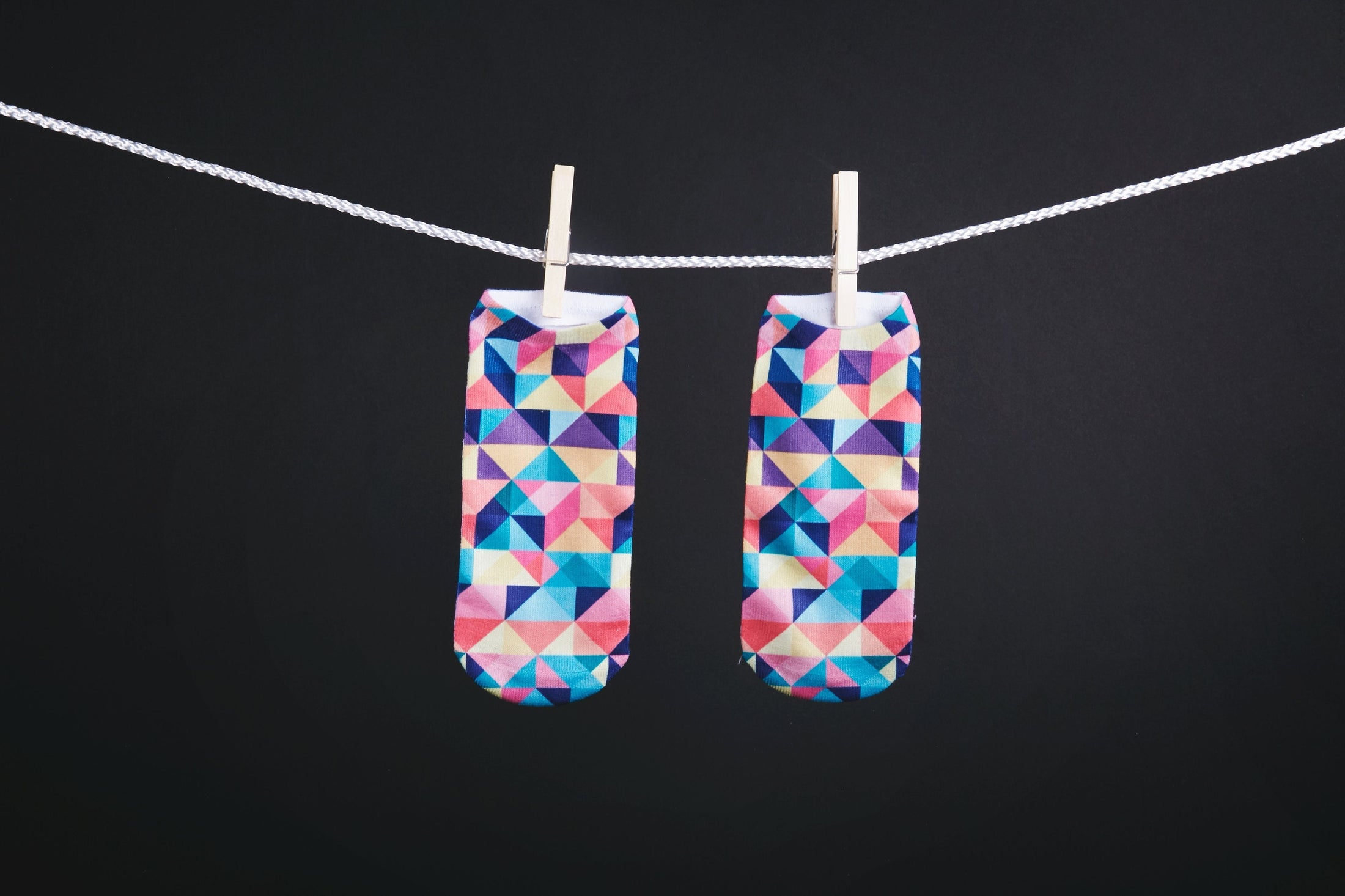
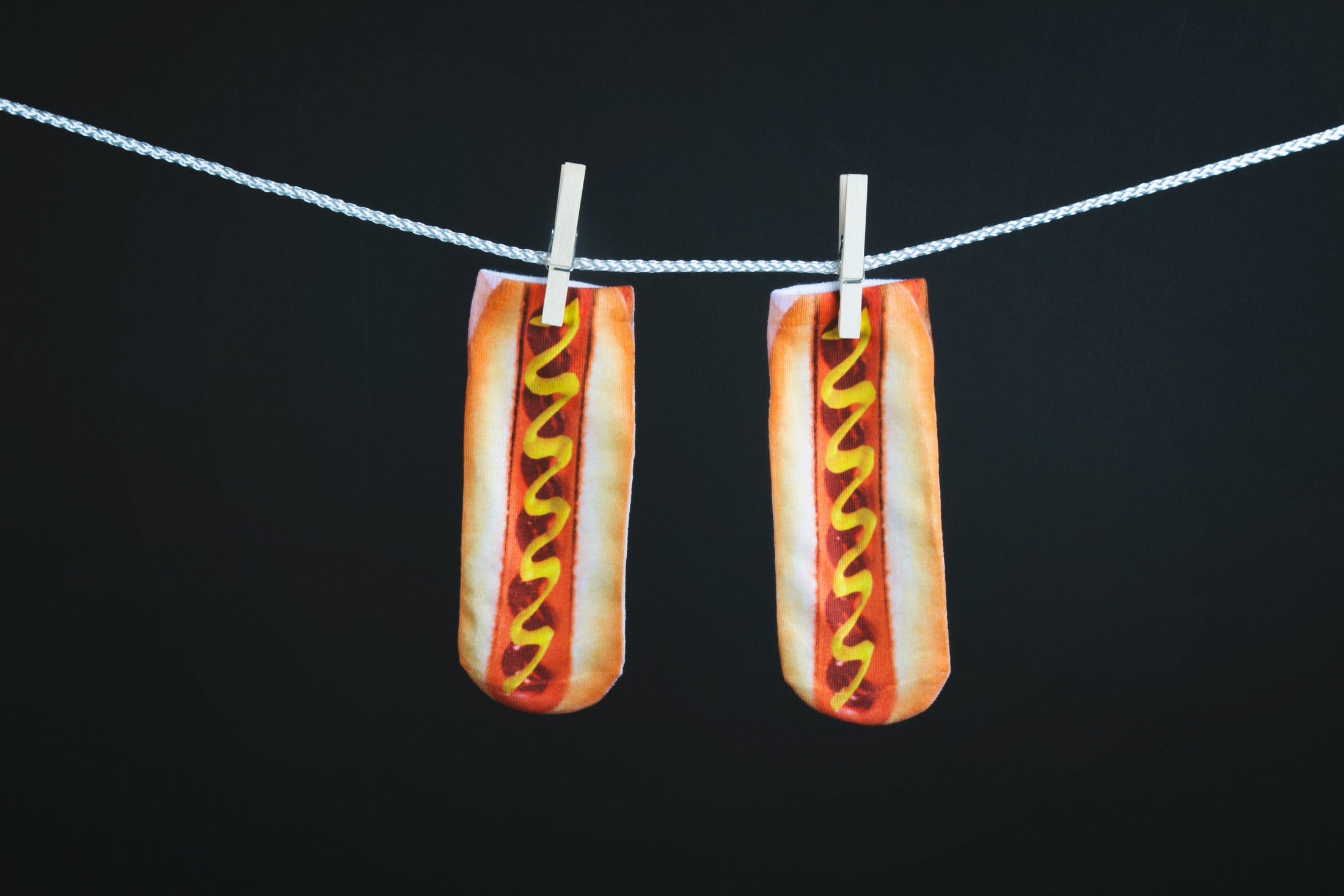
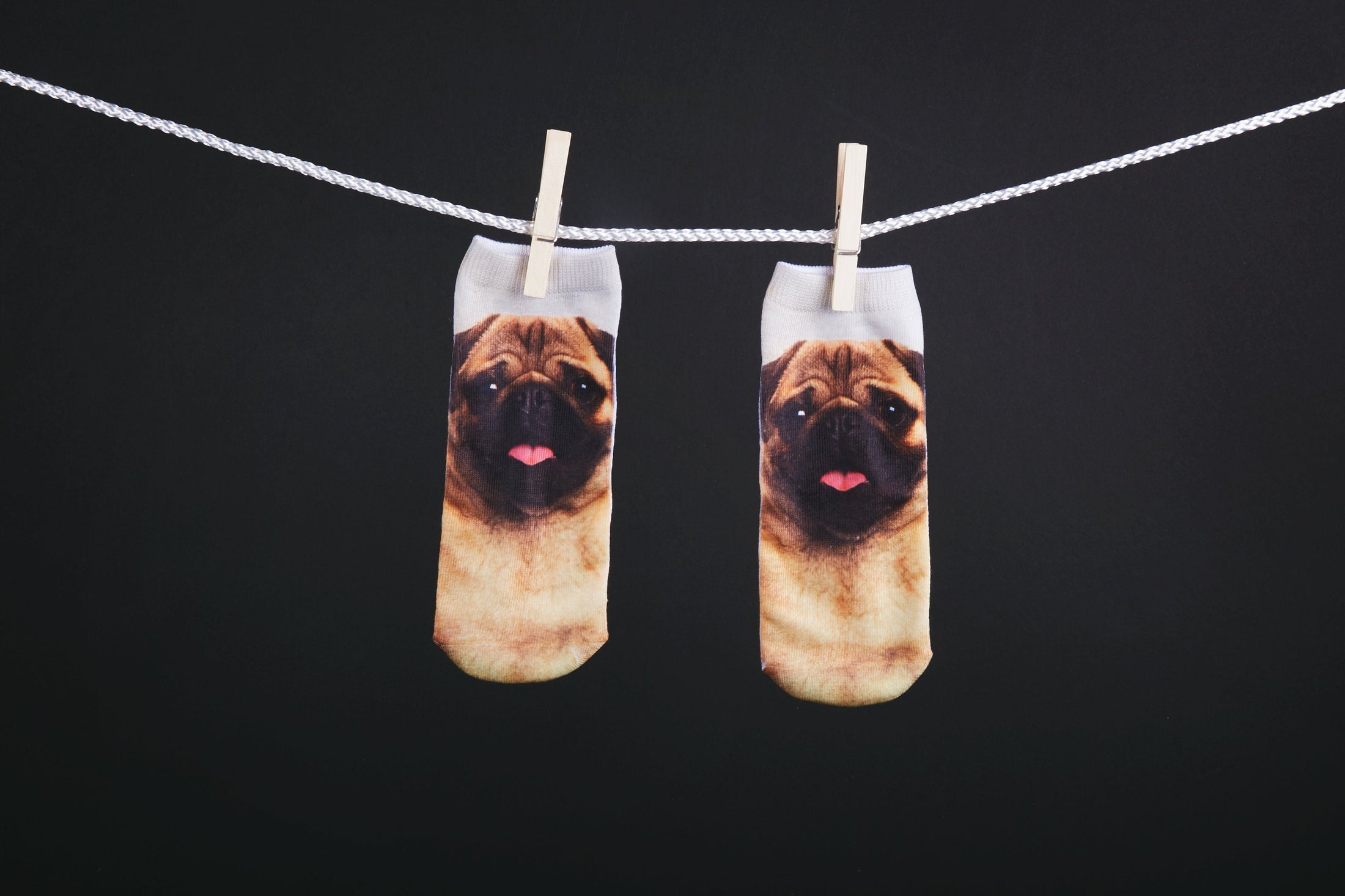
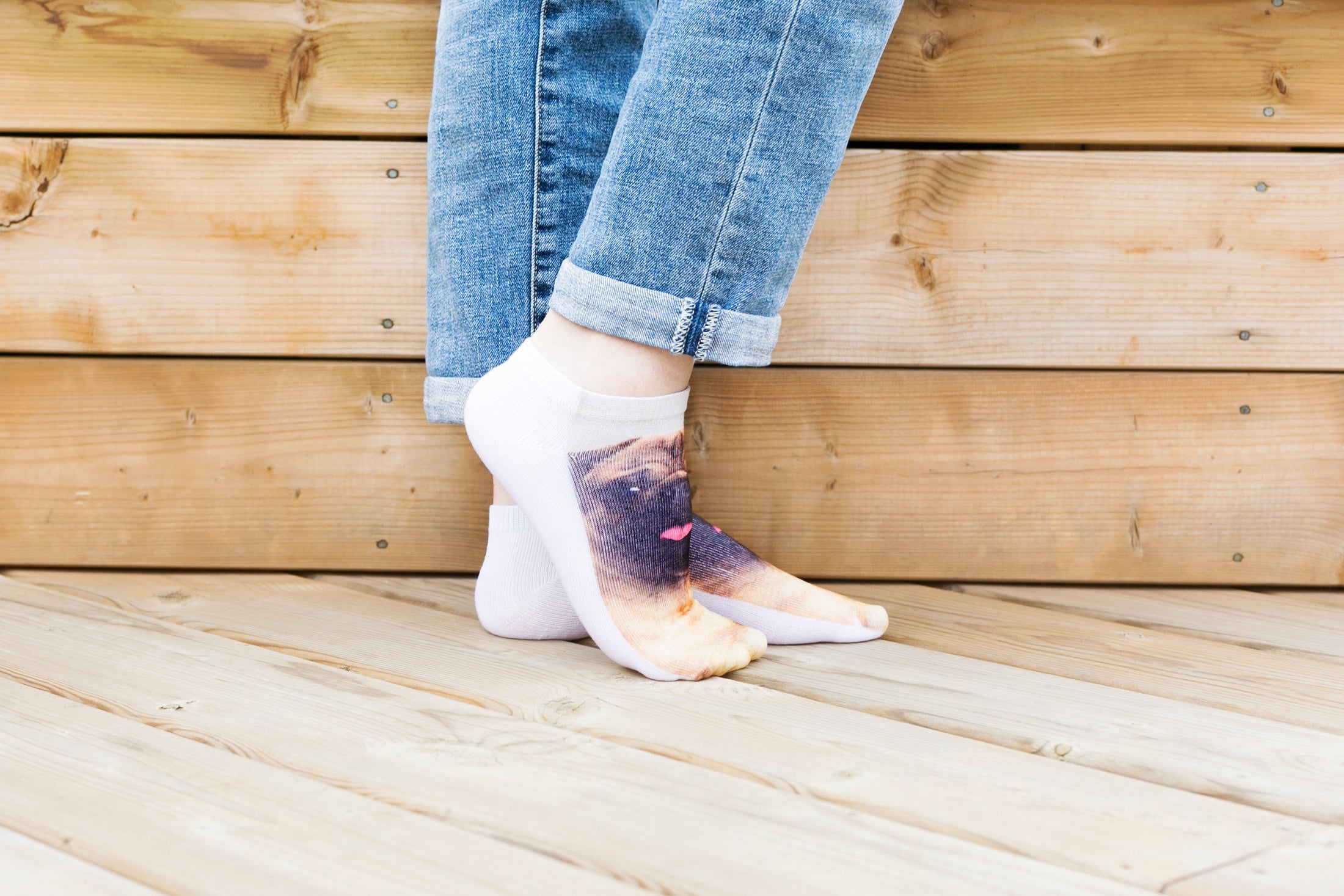
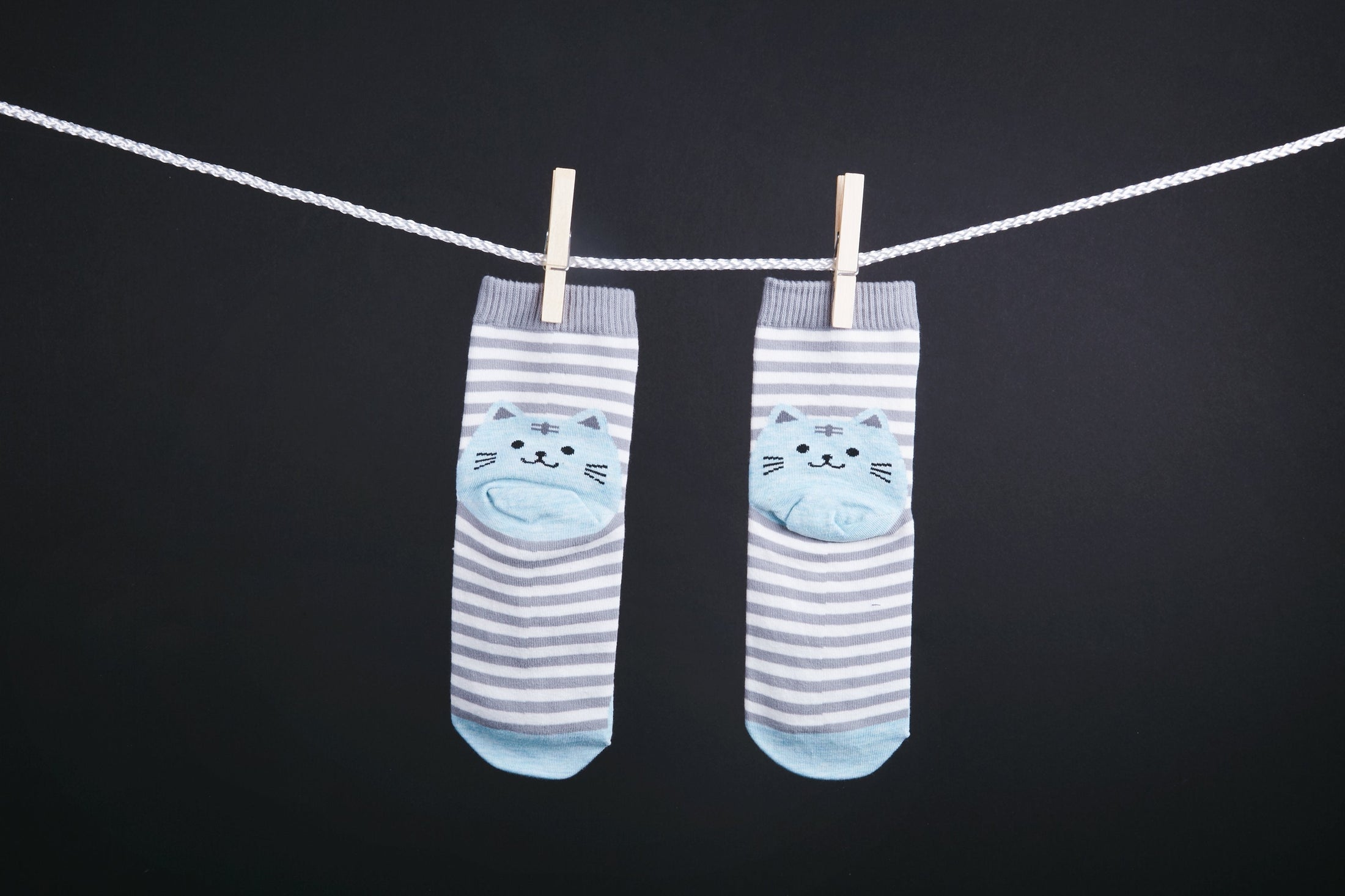
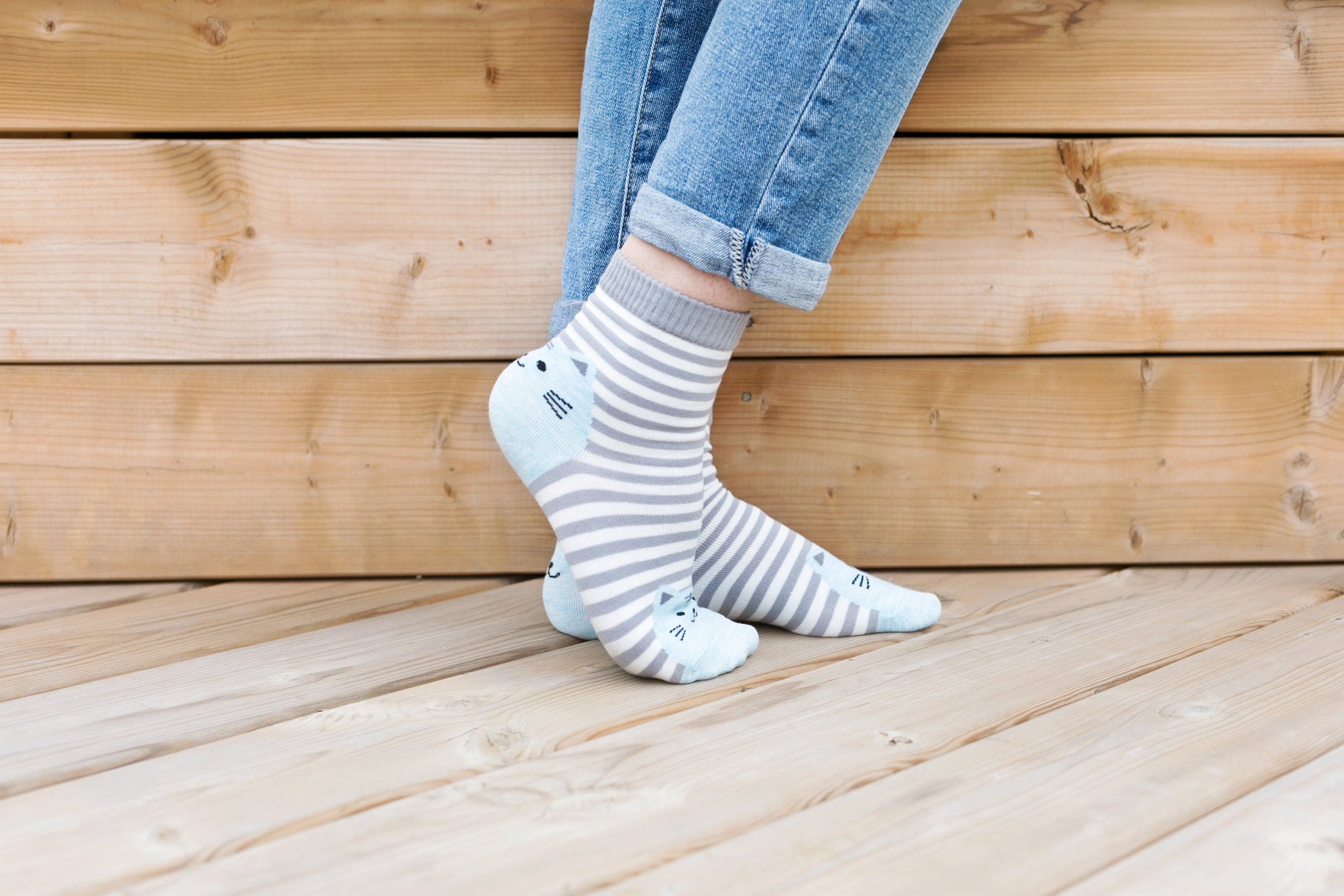
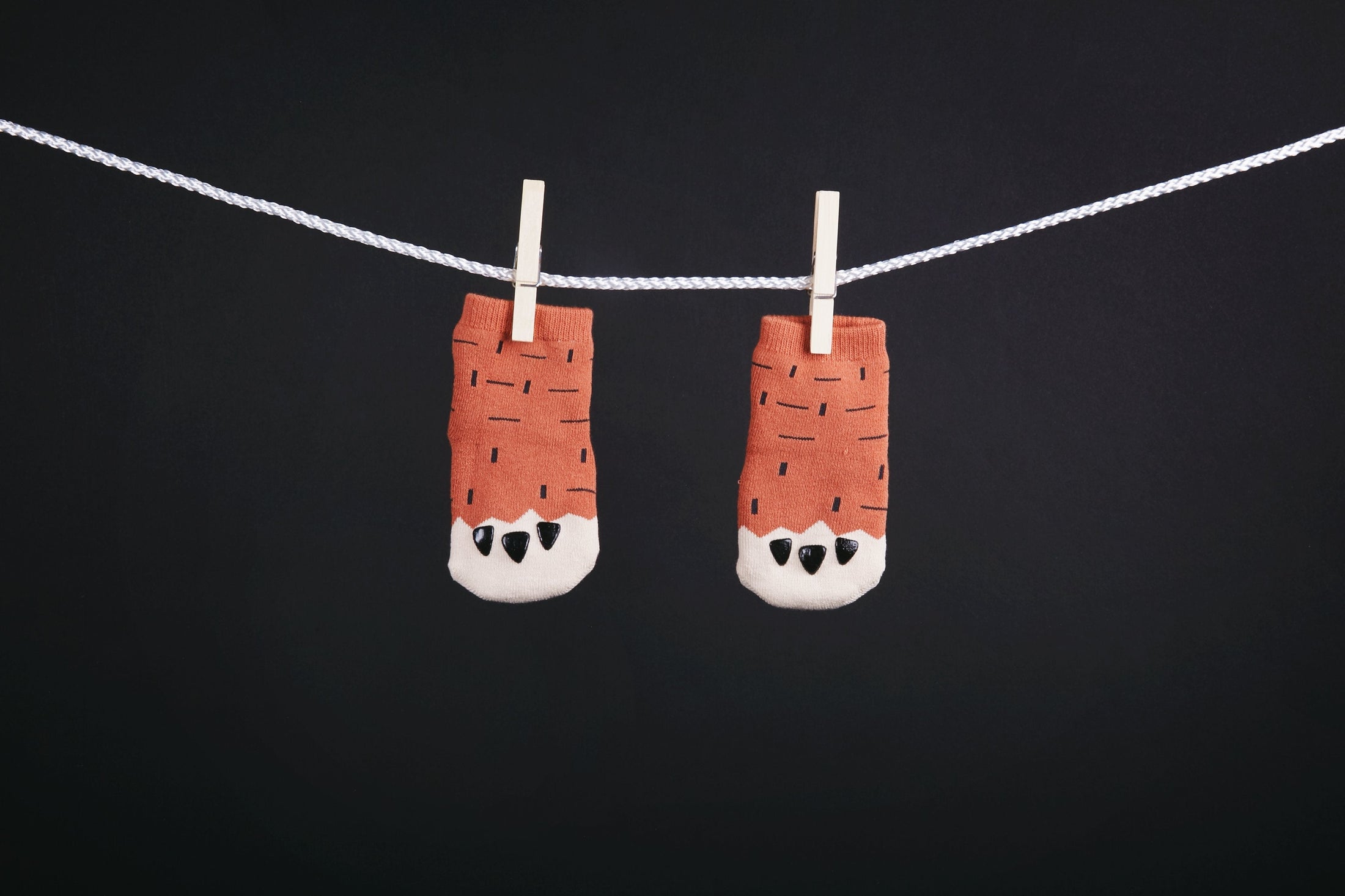
Socks (3 options). This is a long product title. Supercalifragilisticexpialidocious
Sale price: $40.00
Regular price: $50.00
Hotdog / S/M / Cotton
Available

Amazing Aluminum Bag Collection14
Sale price: $337.70
Regular price: $470.56
xs / red / water
Available
![[Unit Price] Olive oil (2 options)](http://theme-store-ops-admin.myshopify.com/cdn/shop/products/shop_bottle_green_small_1_4b335563-b94a-4f06-901f-d3ac1cec8c29.png?v=1631239580&width=320)
[Unit Price] Olive oil (2 options)
Sale price: $5.00
Regular price: $6.00
Unit price:
$0.05/ml
Small / Original
Available

Socks (3 options). This is a long product title. Supercalifragilisticexpialidocious
Sale price: $40.00
Regular price: $50.00
Available

Amazing Aluminum Bag Collection14
Sale price: $337.70
Regular price: $470.56
Available
![[Unit Price] Olive oil (2 options)](http://theme-store-ops-admin.myshopify.com/cdn/shop/products/shop_bottle_green_small_1_4b335563-b94a-4f06-901f-d3ac1cec8c29.png?v=1631239580&width=160)
[Unit Price] Olive oil (2 options)
Sale price: $5.00
Regular price: $6.00
Unit price:
$0.05/ml
Available
Subtotal
$382.70
Discount
-$0.00
Total
$382.70

![[Unit Price] Olive oil (2 options)](http://theme-store-ops-admin.myshopify.com/cdn/shop/products/shop_bottle_green_small_1_4b335563-b94a-4f06-901f-d3ac1cec8c29.png?v=1631239580&width=1440)
![[Unit Price] Olive oil (2 options)](http://theme-store-ops-admin.myshopify.com/cdn/shop/products/shop_bottle_red_small_64833f29-d772-416c-9306-5734b04b25a0.png?v=1631239580&width=1440)
![[Unit Price] Canola oil (1 option)](http://theme-store-ops-admin.myshopify.com/cdn/shop/products/shop_bottle_yellow.png?v=1631239226&width=1440)
![[Unit Price] Canola oil (1 option)](http://theme-store-ops-admin.myshopify.com/cdn/shop/products/shop_bottle_yellow_small_c46c10b2-4bc2-4bbc-b87a-0c1baa658263.png?v=1631239226&width=1440)
![[Shop Pay Installments] Glass bottle](http://theme-store-ops-admin.myshopify.com/cdn/shop/products/shop_bottle_blue.png?v=1631223792&width=1440)
![[Shop Pay Installments] Glass bottle](http://theme-store-ops-admin.myshopify.com/cdn/shop/products/shop_bottle_red.png?v=1631223792&width=1440)
![[Product Media] YT video on load](http://theme-store-ops-admin.myshopify.com/cdn/shop/products/hqdefault_41f22017-ece8-4b6f-85c7-12e6eaa237c4.jpg?v=1631227637&width=1440)
![[Product Media] YT video on load](http://theme-store-ops-admin.myshopify.com/cdn/shop/products/desk_5905ba1a-904b-4101-80f5-3e1b77389b8d.jpg?v=1631226793&width=1440)
![[Product Media] AR/3D model on load](http://theme-store-ops-admin.myshopify.com/cdn/shop/products/desk.jpg?v=1631226276&width=1440)
![[Product Media] AR/3D model on load](http://theme-store-ops-admin.myshopify.com/cdn/shop/products/WaterBottle.jpg?v=1631226322&width=1440)
![[Product Media] MP4 on load](http://theme-store-ops-admin.myshopify.com/cdn/shop/products/05008fa1289e426e96c2d452ec776e7a.thumbnail.0000000.jpg?v=1631226660&width=1440)
![[Product Media] MP4 on load](http://theme-store-ops-admin.myshopify.com/cdn/shop/products/hqdefault_64b3ba28-2678-428b-a2bd-9fbbd4e4eb2c.jpg?v=1631226680&width=1440)
![[Local Pickup] Anson Chair](http://theme-store-ops-admin.myshopify.com/cdn/shop/products/product-1_b7e58317-89de-4cb1-9b07-41f55be641a5.jpg?v=1616696801&width=1440)
![[Local Pickup] Anson Chair](http://theme-store-ops-admin.myshopify.com/cdn/shop/products/product-3_881dddff-febf-489f-81db-bf6204bff25b.jpg?v=1616696801&width=1440)
Item of the week

Availability
Pickup availability
Pickup available at Quebec
Usually ready in 24 hours
